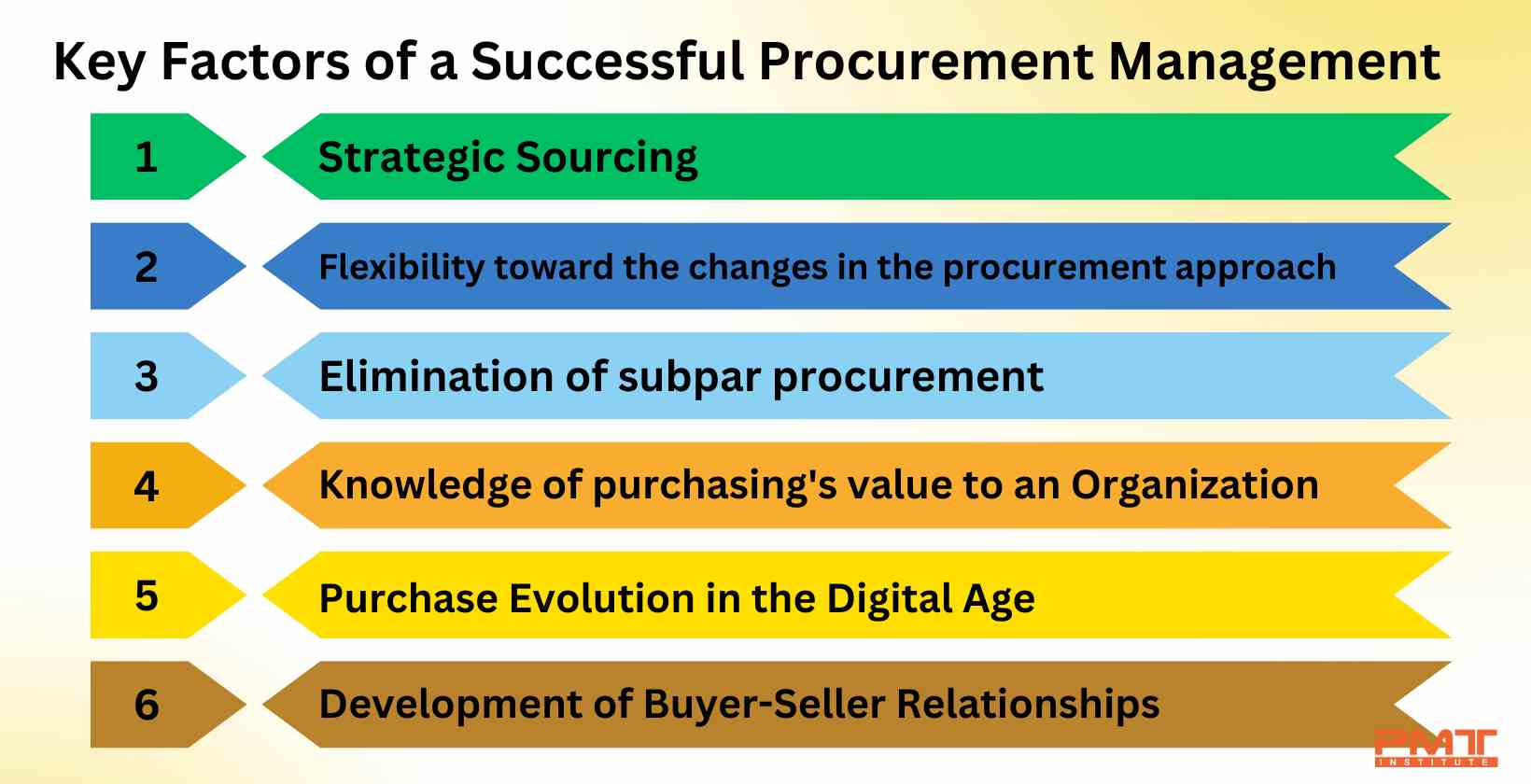
A procurement lead is responsible for managing the procurement process for an organization. This may include developing and executing sourcing strategies, negotiating contracts with suppliers, and managing supplier relationships. The job description of a procurement lead typically includes the following responsibilities:
Importance, Benefits, Historical Context
Procurement leads play a vital role in ensuring that an organization gets the goods and services it needs at the best possible price. By developing and executing effective sourcing strategies, procurement leads can help organizations save money, reduce risks, and improve efficiency. Historically, procurement has been seen as a back-office function. However, in recent years, procurement has become increasingly recognized as a strategic function that can contribute to an organization’s bottom line. As a result, procurement leads are now playing a more important role in organizations of all sizes.
Main Article Topics
- The role of a procurement lead
- The responsibilities of a procurement lead
- The skills and qualifications required to be a successful procurement lead
- The benefits of working as a procurement lead
- The challenges of working as a procurement lead
- The future of procurement
1. Sourcing and Supplier Management
Sourcing and supplier management is a critical component of the procurement lead job description. Procurement leads are responsible for identifying, evaluating, and selecting suppliers that can provide the goods and services that their organization needs. They must also manage relationships with suppliers to ensure that they are meeting the organization’s requirements. Effective sourcing and supplier management can lead to cost savings, improved quality, and reduced risks for the organization.
There are a number of factors that procurement leads must consider when sourcing and managing suppliers. These include:
- Cost: The cost of the goods or services being procured is a key factor in the decision-making process.
- Quality: The quality of the goods or services being procured is also important. Procurement leads must ensure that the suppliers they select can meet the organization’s quality standards.
- Delivery: The ability of the supplier to deliver the goods or services on time and in the quantities required is also important.
- Supplier performance: The past performance of the supplier is also a factor that procurement leads must consider. They must assess the supplier’s ability to meet the organization’s requirements on an ongoing basis.
Sourcing and supplier management is a complex and challenging task. However, by following best practices, procurement leads can help their organizations achieve their objectives.
Real-life examples:
- A procurement lead for a manufacturing company was able to save the company millions of dollars by identifying a new supplier for a key component. The new supplier was able to provide the component at a lower cost and with a higher quality than the previous supplier.
- A procurement lead for a healthcare organization was able to improve the quality of patient care by working with suppliers to develop new products and services. The new products and services helped to improve patient outcomes and reduce costs.
Conclusion:
Effective sourcing and supplier management is essential for the success of any organization. By understanding the importance of sourcing and supplier management, procurement leads can help their organizations achieve their objectives and gain a competitive advantage.
2. Contract Management
Contract management is a critical component of the procurement lead job description. Procurement leads are responsible for negotiating and managing contracts with suppliers. These contracts outline the terms and conditions of the agreement between the organization and the supplier. Effective contract management can help to ensure that the organization gets the goods and services it needs at the best possible price, while also protecting the organization’s interests.
There are a number of key aspects of contract management that procurement leads must be familiar with. These include:
- Contract negotiation: Procurement leads must be able to negotiate favorable terms and conditions with suppliers. This includes negotiating on price, delivery, quality, and other factors.
- Contract administration: Procurement leads are responsible for administering contracts once they have been negotiated. This includes tracking the performance of suppliers, ensuring that they are meeting the terms of the contract, and resolving any disputes that may arise.
- Contract compliance: Procurement leads must ensure that the organization is complying with all applicable laws and regulations. This includes ensuring that the organization is not engaging in any unfair or deceptive practices.
Effective contract management can help organizations to achieve a number of benefits, including:
- Cost savings: By negotiating favorable terms and conditions with suppliers, procurement leads can help their organizations save money.
- Improved quality: By ensuring that suppliers are meeting the terms of the contract, procurement leads can help to improve the quality of the goods and services that their organizations receive.
- Reduced risks: By ensuring that the organization is complying with all applicable laws and regulations, procurement leads can help to reduce the risks that the organization faces.
Real-life examples:
- A procurement lead for a manufacturing company was able to save the company millions of dollars by negotiating a favorable contract with a supplier. The new contract included a lower price for the goods and a faster delivery time.
- A procurement lead for a healthcare organization was able to improve the quality of patient care by working with suppliers to develop new products and services. The new products and services helped to improve patient outcomes and reduce costs.
Conclusion:
Effective contract management is essential for the success of any organization. By understanding the importance of contract management, procurement leads can help their organizations achieve their objectives and gain a competitive advantage.
3. Budget Management
Budget management is a critical component of the procurement lead job description. Procurement leads are responsible for managing the organization’s procurement budget and ensuring that it is spent wisely. This includes planning, forecasting, and tracking spending, as well as identifying opportunities for cost savings.
-
Planning and Forecasting
Procurement leads must develop a procurement budget that aligns with the organization’s overall strategic goals. This includes forecasting future spending needs and identifying potential cost-saving opportunities.
-
Tracking Spending
Procurement leads are responsible for tracking spending against the budget and identifying any variances. This information can be used to identify opportunities for cost savings and to improve the organization’s financial performance.
-
Identifying Cost-Saving Opportunities
Procurement leads are constantly looking for ways to save money on procurement costs. This may involve negotiating with suppliers, identifying alternative suppliers, or implementing new cost-saving initiatives.
-
Compliance and Reporting
Procurement leads must ensure that the organization is complying with all applicable laws and regulations related to procurement. This includes reporting on procurement activities and disclosing any potential conflicts of interest.
Effective budget management can help organizations achieve a number of benefits, including:
- Cost savings
- Improved financial performance
- Increased efficiency
- Reduced risks
By understanding the importance of budget management, procurement leads can help their organizations achieve their objectives and gain a competitive advantage.
4. Stakeholder Management
Stakeholder management is a critical component of the procurement lead job description. Procurement leads are responsible for managing relationships with a wide range of stakeholders, including internal stakeholders (e.g., employees, managers, and executives) and external stakeholders (e.g., suppliers, customers, and regulators). Effective stakeholder management can help procurement leads to achieve their goals and objectives, while also building strong relationships with key stakeholders.
-
Identifying Stakeholders
The first step in stakeholder management is to identify all of the stakeholders who are involved in the procurement process. This includes both internal and external stakeholders. Once stakeholders have been identified, procurement leads can begin to develop strategies for managing relationships with each group.
-
Understanding Stakeholder Needs
Once stakeholders have been identified, procurement leads need to understand their needs and expectations. This can be done through interviews, surveys, or other methods. Once stakeholder needs are understood, procurement leads can develop strategies for meeting those needs.
-
Managing Stakeholder Expectations
Procurement leads need to manage stakeholder expectations throughout the procurement process. This involves keeping stakeholders informed of progress, addressing their concerns, and resolving any conflicts that may arise. Effective stakeholder management can help to ensure that all stakeholders are satisfied with the outcome of the procurement process.
-
Building Relationships
Procurement leads should strive to build strong relationships with all stakeholders. This can be done through open communication, transparency, and trust. Strong relationships can help to make the procurement process more efficient and effective.
Effective stakeholder management can help procurement leads to achieve a number of benefits, including:
- Increased stakeholder satisfaction
- Improved communication and collaboration
- Reduced risk
- Enhanced reputation
By understanding the importance of stakeholder management, procurement leads can help their organizations achieve their objectives and gain a competitive advantage.
FAQs
This section answers questions commonly associated with procurement lead job description.
Question 1: What are the primary responsibilities of a procurement lead?
Procurement leads are responsible for managing the procurement function within an organization. Key duties include developing sourcing strategies, negotiating and managing supplier contracts, and overseeing supplier performance. They also work closely with internal stakeholders to ensure that the organization’s procurement needs are met.
Question 2: What qualifications are typically required for a procurement lead role?
Procurement leads typically have a bachelor’s degree in supply chain management, business administration, or a related field. They also have several years of experience in procurement or a related field. Additionally, they should have strong negotiation, communication, and analytical skills.
Question 3: What are the key challenges faced by procurement leads?
Procurement leads face a number of challenges, including managing supplier relationships, staying up-to-date on industry trends, and ensuring that the organization is getting the best possible value for its money. They must also be able to manage risk and ensure that the organization is compliant with all applicable laws and regulations.
Question 4: What are the benefits of working as a procurement lead?
Procurement leads can enjoy a number of benefits, including a competitive salary, career advancement opportunities, and the chance to make a significant impact on their organization. They also have the opportunity to work with a variety of people and learn about different industries.
Question 5: What is the job outlook for procurement leads?
The job outlook for procurement leads is expected to be good over the next few years. As businesses become more globalized, the need for qualified procurement professionals will continue to grow. Procurement leads with strong skills and experience will be in high demand.
Question 6: What are the key trends in procurement?
Some of the key trends in procurement include the use of technology, the focus on sustainability, and the globalization of the supply chain. Procurement leads who are able to adapt to these trends will be more successful in their roles.
These FAQs provide a brief overview of the procurement lead job description. For more information about procurement lead roles or the procurement field, further research is recommended.
Continue reading below for a more in-depth exploration of procurement lead roles.
Tips for Success as a Procurement Lead
Procurement leads play a vital role in ensuring that their organizations get the goods and services they need at the best possible price. By following these tips, procurement leads can increase their chances of success:
Tip 1: Develop a strong understanding of the procurement process.
This includes understanding the different steps involved in the procurement process, as well as the various roles and responsibilities of those involved. A strong understanding of the procurement process will help procurement leads to make informed decisions and to avoid costly mistakes.
Tip 2: Build strong relationships with suppliers.
Suppliers are key partners in the procurement process. By building strong relationships with suppliers, procurement leads can ensure that they are getting the best possible price and quality for the goods and services they need. Additionally, strong relationships with suppliers can help to reduce the risk of supply chain disruptions.
Tip 3: Stay up-to-date on industry trends.
The procurement landscape is constantly changing. By staying up-to-date on industry trends, procurement leads can ensure that they are using the latest best practices and technologies. This can help them to improve the efficiency and effectiveness of their procurement operations.
Tip 4: Be a strong negotiator.
Procurement leads need to be able to negotiate effectively with suppliers to get the best possible price and terms. This requires preparation, research, and a strong understanding of the supplier’s needs. By being a strong negotiator, procurement leads can save their organizations money and improve their bottom line.
Tip 5: Be ethical and compliant.
Procurement leads must always act ethically and in compliance with all applicable laws and regulations. This includes avoiding conflicts of interest, disclosing any potential conflicts, and following all procurement policies and procedures. Acting ethically and compliantly helps to protect the organization’s reputation and reduces the risk of legal liability.
Tip 6: Be a team player.
Procurement is a team sport. Procurement leads need to be able to work effectively with other members of the procurement team, as well as with other departments within the organization. By being a team player, procurement leads can help to create a more efficient and productive work environment.
Tip 7: Be adaptable.
The procurement landscape is constantly changing. Procurement leads need to be able to adapt to change quickly and effectively. This requires being open to new ideas and technologies, and being willing to change course when necessary. By being adaptable, procurement leads can help their organizations to stay ahead of the competition.
Tip 8: Be passionate about procurement.
Procurement is a challenging and rewarding career. Procurement leads who are passionate about their work are more likely to be successful in their roles. By being passionate about procurement, procurement leads can help to drive innovation and improve the efficiency and effectiveness of their organizations.
Summary of Key Takeaways
- Develop a strong understanding of the procurement process.
- Build strong relationships with suppliers.
- Stay up-to-date on industry trends.
- Be a strong negotiator.
- Be ethical and compliant.
- Be a team player.
- Be adaptable.
- Be passionate about procurement.
By following these tips, procurement leads can increase their chances of success and help their organizations to achieve their objectives.
Conclusion
Procurement is a vital function for any organization. By following the tips outlined above, procurement leads can help their organizations to get the goods and services they need at the best possible price, while also building strong relationships with suppliers and staying up-to-date on industry trends.